As state clean fuel programs continue to mature, 2026 will be a consequential year for renewable fuel producers operating in California, Oregon, Washington and emerging markets such as New Mexico. While carbon intensity (CI) scores remain central to compliance, regulatory focus is increasingly shifting toward supply-chain transparency, sustainability verification and long-term alignment with electrification goals.
These programs are no longer limited to pathway modeling and annual reporting. They are evolving into comprehensive compliance systems that extend upstream to feedstock sourcing and downstream through credit generation, verification and documentation retention. The sections below highlight key state-level developments producers should be preparing for now.

Oregon
GREET 4.0 Implementation and a More Aggressive Long-Term Trajectory
Oregon finalized amendments to its Clean Fuels Program in early 2025, including the transition to the GREET 4.0 model. Beginning January 2026, GREET 4.0 CI scores are fully effective for compliance purposes.
Producers should ensure that internal modeling, pathway planning and CI forecasting reflect GREET 4.0 assumptions.
Oregon has also expanded third-party verification requirements. Electricity reporting entities and fuel pathway applicants are now subject to verification, and carbon capture and sequestration (CCS) projects face new obligations, including participation in a reserve account. Under this structure, the Oregon Department of Environmental Quality (DEQ) will permanently retain between 8% and 16.5% of credits attributed to CCS pathways.
Further program tightening is likely. In December 2025, DEQ launched a new rulemaking process to review program standards in response to market conditions and Governor Kotek’s climate directives. Topics under review include extending CI reduction targets through at least 2040, reaching a minimum 50% reduction, revisiting modeling assumptions and expanding incentives for transportation electrification.
For context, Oregon’s most recent amendments set a 37% CI reduction target by 2035. A move toward a 50% reduction by 2040 would represent a meaningful increase in stringency.
Washington
Accelerating CI Reductions and Verification Expansion
Washington’s Clean Fuel Standard continues to escalate toward higher CI reduction requirements. Under the current schedule, the program moves from a 20% reduction to 45% by 2035, with interim step-downs of 5% in 2026 and 4% in 2027. The rule also allows for potential increases up to a 55% CI reduction if zero-emission vehicle (ZEV) adoption thresholds are met.
CI targets for 2028 and beyond will be established through a future rulemaking, which is expected to include annual step-downs of up to 4% through 2038.
Washington is also expanding its verification framework. Annual third-party verification begins in 2028 and will cover fuel transaction data from calendar year 2027, along with fuel pathway operational data from 2026 and 2027. Quarterly review will be incorporated into annual verification services beginning in 2028.
California
Expanded Sustainability, Documentation and CI Enforcement
California’s recently adopted LCFS amendments represent the most significant expansion of producer obligations among the state programs.
Beginning with the 2025 reporting year, Annual Fuel Pathway Reports must be prepared using GREET 4.0. GREET 3.0 may still be used in limited cases where a CI exceedance occurs and the producer seeks to demonstrate eligibility for a penalty exemption.
Starting in 2026, renewable fuel producers must also comply with expanded feedstock and land-use documentation requirements. These include maintaining feedstock attestations and detailed land-use records, such as farm-level geographic data and field shapefiles. Feedstocks planted, contracted for, or harvested before July 1, 2025 are exempt, making the 2026 crop year the practical starting point for compliance.
At the plant level, this requires identifying affected feedstocks, coordinating with suppliers and aggregators to collect documentation, updating contracts to reflect LCFS land-use obligations and establishing secure documentation and retention systems. Early supplier education will be critical to avoiding future compliance disruptions.
California is implementing sustainability certification in phases. Phase 2, effective in 2028, addresses biodiversity, soil fertility and fertilizer utilization. Phase 3, beginning in 2031, expands certification to water use and water contamination impacts. Producers should begin evaluating current supplier practices against future certification criteria and planning for ongoing third-party certification costs.
Additional constraints apply to biomass-based diesel pathways derived from soybean oil, canola oil and sunflower oil. CARB has imposed a 20% credit cap per company, with volumes beyond that cap receiving the default diesel CI score. These restrictions apply to new pathways beginning in July 2025 and to existing pathways starting in 2028. By 2031, CARB may stop accepting new biomass-based diesel pathways if EV adoption thresholds are met.
California has also increased CI stringency overall, targeting a 30% reduction by 2030 and a 90% reduction by 2045. The program’s Automatic Acceleration Mechanism allows CI benchmarks to advance by one year if credit supply materially exceeds deficits. Beginning May 15, 2027, CARB will assess quarterly whether this mechanism has been triggered, adding uncertainty to long-term compliance planning.
Finally, penalties now apply when reported CI exceeds a pathway’s certified CI, beginning with 2025 fuel transaction reporting. While true-ups are now permitted when the verified CI is lower than the certified CI, exceedances carry penalties equal to four times the CI difference. Conservative CI margins of safety and ongoing operational monitoring are increasingly important risk-management tools.
Specified Source Feedstocks
A Multi-State Compliance Obligation
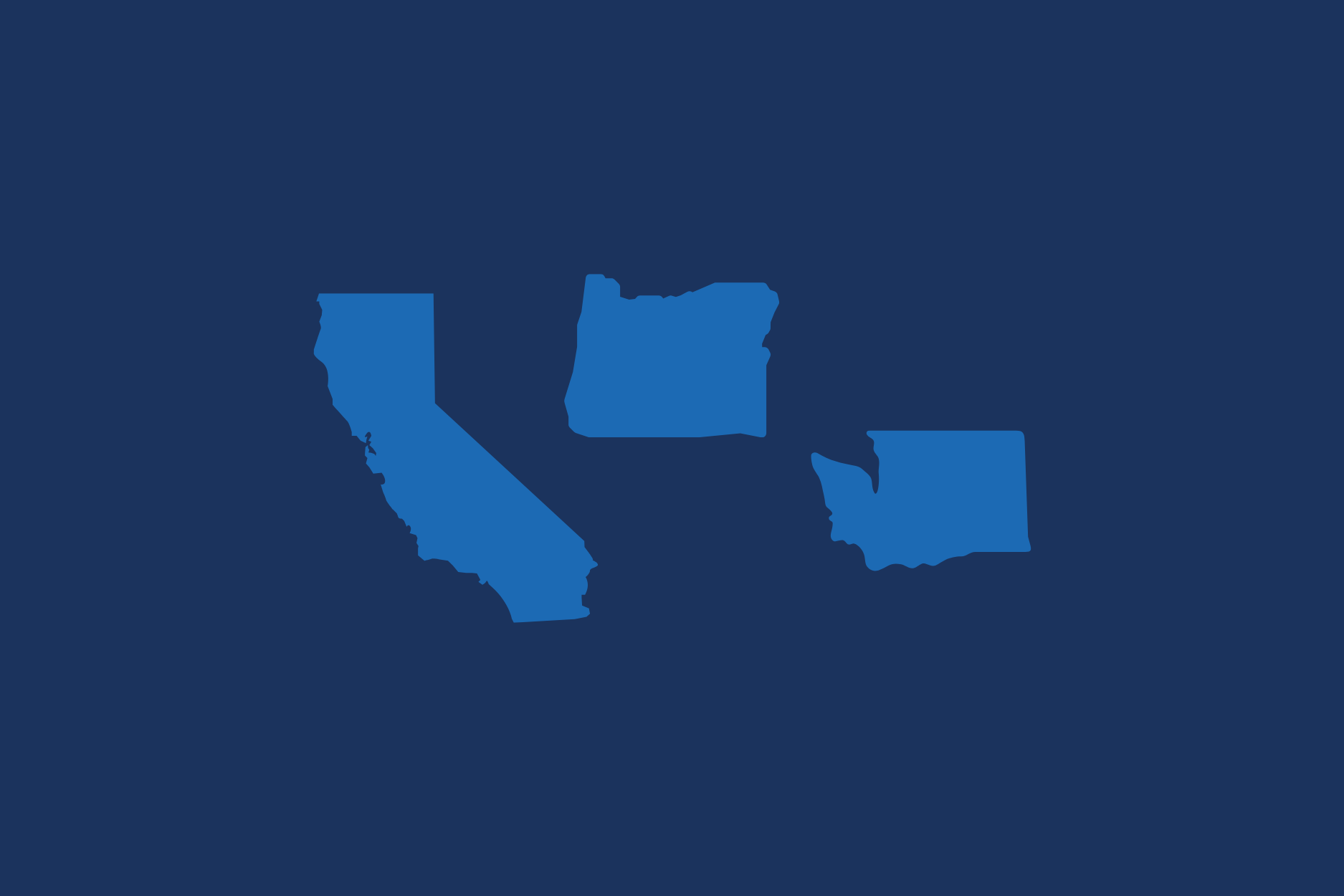
California, Oregon and Washington now require supply-chain attestations for Specified Source Feedstocks, including used cooking oil, animal fats and corn oil. This requirement also applies to ethanol plants that sell corn oil into biodiesel or renewable diesel markets, even if the ethanol facility itself does not generate LCFS credits.

New Mexico
Program Launch on the Horizon
New Mexico’s Clean Transportation Fuel Standard is scheduled to begin on April 1, 2026. The initial compliance period runs through December 31, 2027, with the first compliance report due April 30, 2028 and verification statements due September 15, 2028.
While the program is still developing, producers with multi-state operations should begin evaluating how New Mexico may fit into broader compliance and credit strategies.

Pennsylvania
Alternative Frameworks Emerging
Pennsylvania recently introduced legislation to establish a state clean fuel program. Unlike western programs, the proposal allows Climate-Smart Agriculture credits and includes book-and-claim provisions. Similar frameworks may emerge in other states and warrant close monitoring by producers evaluating future compliance pathways.
Key Takeaway for Producers
State clean fuel programs are evolving into comprehensive regulatory systems that extend well beyond CI modeling. Producers that delay preparation until reporting or verification season face increased regulatory exposure and financial risk.
Early action is necessary to maintain credit eligibility, manage CI risk and preserve long-term market access. This includes aligning modeling with GREET 4.0, building feedstock and land-use documentation systems, preparing for phased sustainability certification, ensuring supply-chain attestations follow products downstream and stress-testing pathways against tighter and accelerated CI benchmarks.
For renewable fuel producers, 2026 represents a turning point in how state clean fuel programs operate and how compliance must be managed going forward.